Sustainable Fashion: Why It Matters and How to Build an Eco-Friendly Wardrobe
Fashion is one of the most creative industries in the world, but it also has a significant environmental impact. From excessive water usage to textile waste and carbon emissions, the way clothing is produced and consumed affects both people and the planet.
Sustainable fashion offers a better approach. It encourages consumers to choose quality over quantity, support ethical brands, and build wardrobes designed to last for years rather than seasons.
If you're looking to make smarter fashion choices without sacrificing style, this guide will help you understand the basics of sustainable fashion and how to create a wardrobe that's both fashionable and responsible.
What Is Sustainable Fashion?
Sustainable fashion refers to clothing that is designed, produced, and consumed in ways that reduce environmental impact while promoting fair working conditions.
It focuses on:
- Eco-friendly materials
- Ethical manufacturing
- Long-lasting quality
- Reduced waste
- Responsible consumption
Rather than constantly replacing clothes, sustainable fashion encourages investing in pieces you'll wear for years.
Why Sustainable Fashion Matters
The fashion industry is one of the largest consumers of natural resources.
Choosing sustainable fashion helps:
- Reduce textile waste
- Lower carbon emissions
- Support ethical working conditions
- Minimize water pollution
- Encourage responsible production
Even small changes in shopping habits can make a positive impact.
Build a Capsule Wardrobe
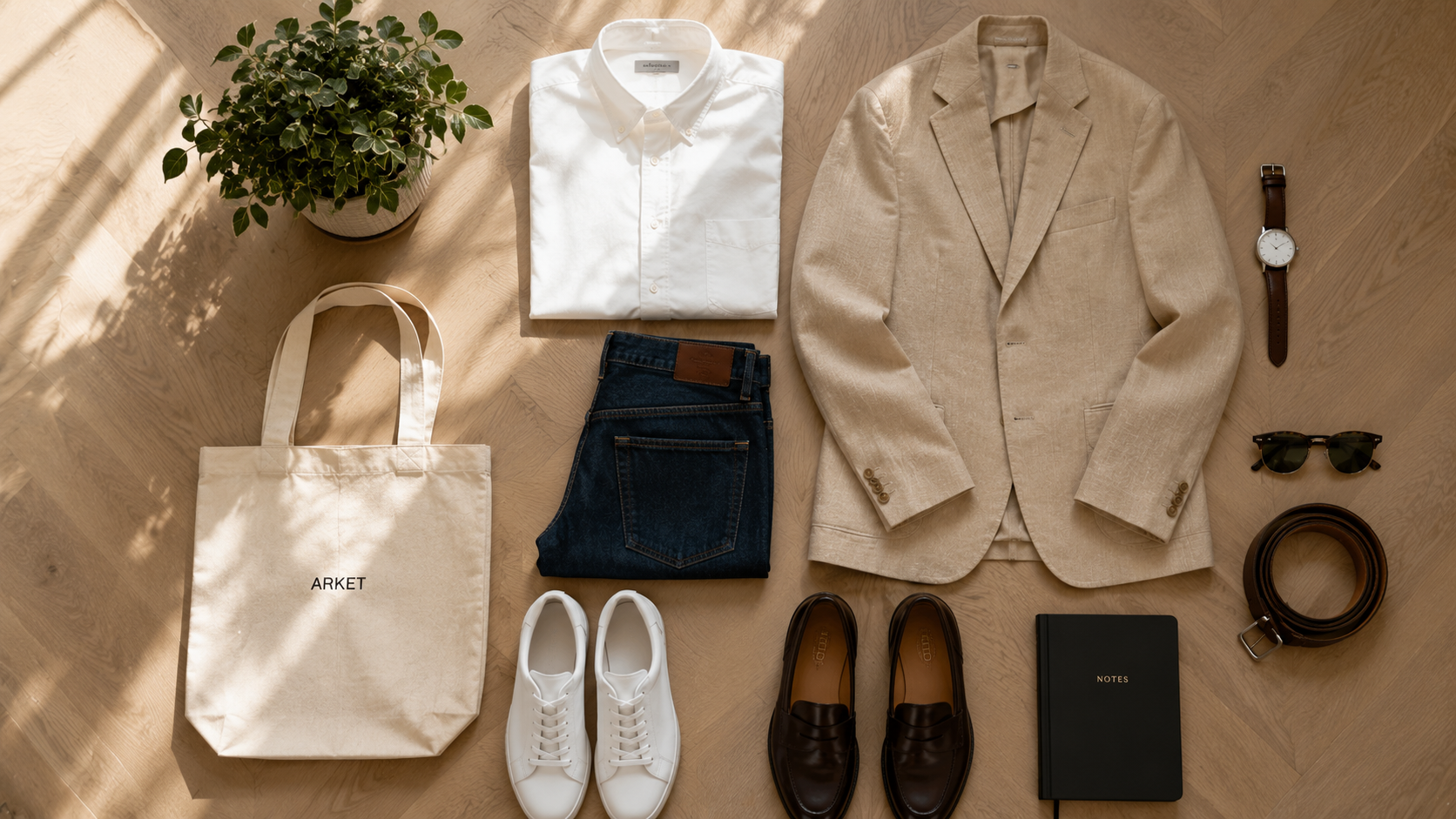
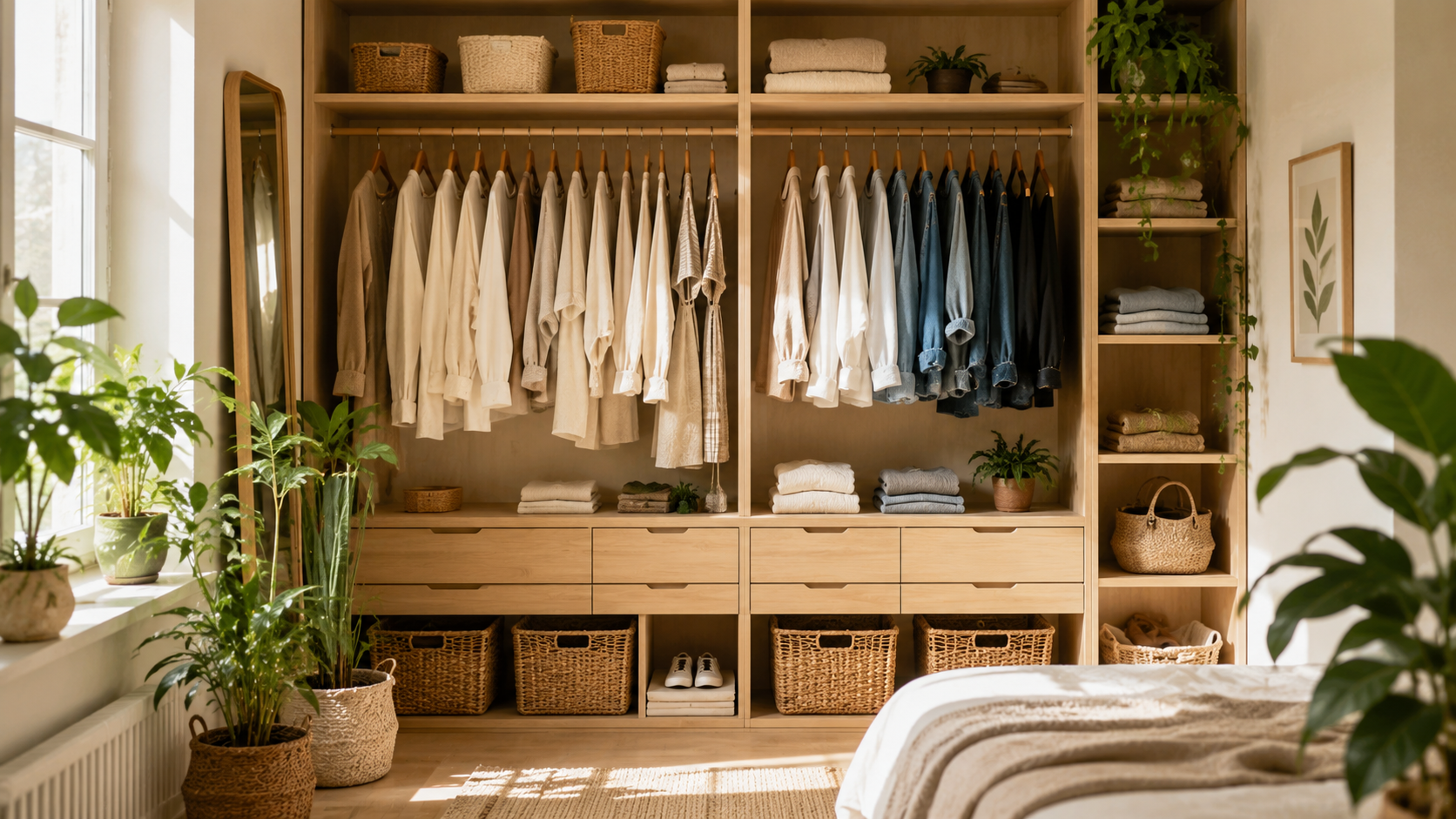
A capsule wardrobe consists of versatile clothing that works together across different occasions.
Essential pieces include:
- White shirt
- Black blazer
- Blue jeans
- Neutral trousers
- White sneakers
- Classic dress
- Knit sweater
- Trench coat
These timeless items reduce the need for excessive shopping.
Choose Quality Over Quantity
Instead of buying multiple inexpensive garments every season, invest in fewer pieces made from durable materials.
Look for:
- Organic cotton
- Linen
- Wool
- TENCEL™ Lyocell
- Recycled fabrics
Quality clothing often lasts much longer and provides better value over time.
Support Ethical Brands
Many fashion brands now prioritize transparency and ethical production.
When shopping, consider brands that:
- Publish sustainability reports
- Use recycled materials
- Ensure fair wages
- Reduce packaging waste
- Offer repair or recycling programs
Doing a little research before buying can help you make informed choices.
Buy Second-Hand and Vintage
Shopping pre-owned clothing is one of the easiest ways to reduce waste.
Benefits include:
- Lower cost
- Unique styles
- Reduced environmental impact
- Extended product life
Vintage and thrift shopping also allow you to find timeless pieces that stand out from mass-produced fashion.
Take Better Care of Your Clothes
Making your clothes last longer is one of the simplest forms of sustainable fashion.
Tips include:
- Wash clothes in cold water when possible.
- Air dry instead of using a dryer.
- Repair small tears instead of replacing garments.
- Store seasonal clothing properly.
- Follow the care label instructions.
These habits help preserve fabric quality and reduce unnecessary waste.
Avoid Fast Fashion Impulse Buying
Before purchasing a new item, ask yourself:
- Will I wear it at least 30 times?
- Does it match my existing wardrobe?
- Is it made from quality materials?
- Do I really need it?
Buying with intention helps create a more practical and stylish wardrobe.
Sustainable Accessories
Fashion isn't just about clothing.
Consider investing in:
- Leather or vegan leather bags
- Timeless watches
- Recycled metal jewelry
- Durable belts
- Quality footwear
Classic accessories often stay in style for many years.
Common Myths About Sustainable Fashion
"It's Too Expensive"
While some ethical brands have higher upfront prices, quality clothing usually lasts longer, making it more cost-effective over time.
"It's Not Stylish"
Modern sustainable fashion offers everything from minimalist essentials to trend-inspired collections.
"One Person Can't Make a Difference"
Every purchase sends a signal to the market. Small, consistent choices can collectively create significant change.
Final Thoughts
Sustainable fashion is about making thoughtful decisions rather than following every trend. By investing in timeless pieces, caring for your clothes, and supporting responsible brands, you can create a wardrobe that reflects your personal style while reducing your environmental footprint.
Fashion should make you feel good—and choosing clothing that's kinder to the planet is one more way to do that.
FAQs
What is sustainable fashion?
Sustainable fashion focuses on reducing environmental impact and promoting ethical production throughout the clothing lifecycle.
Is sustainable clothing more expensive?
Some items cost more initially, but higher quality often means they last longer, reducing the overall cost per wear.
What fabrics are considered sustainable?
Organic cotton, linen, hemp, TENCEL™ Lyocell, and recycled materials are commonly used in sustainable fashion.
How can I start building a sustainable wardrobe?
Begin by buying fewer, better-quality pieces, choosing timeless designs, caring for your clothes properly, and considering second-hand options.